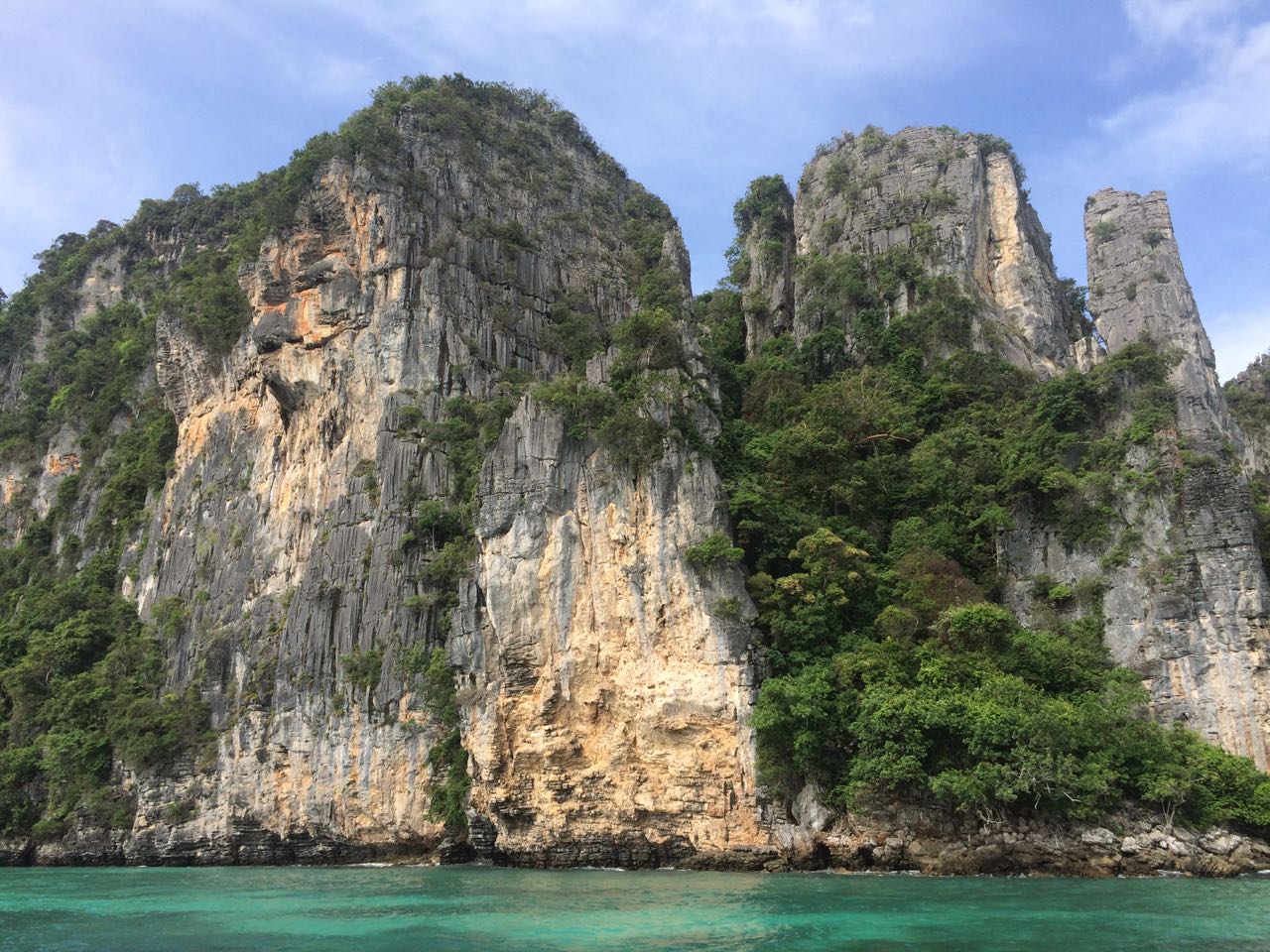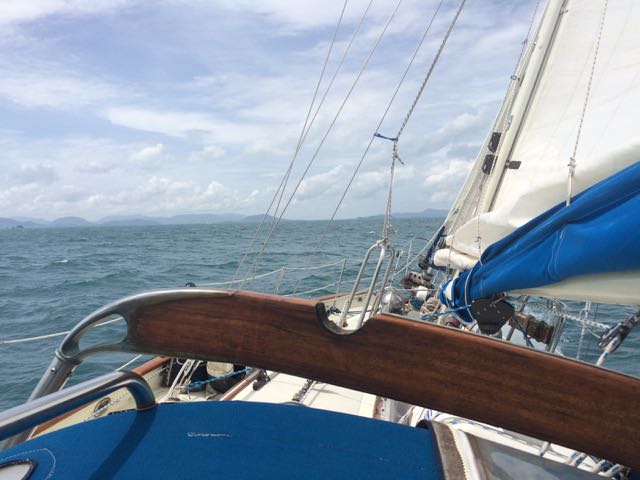
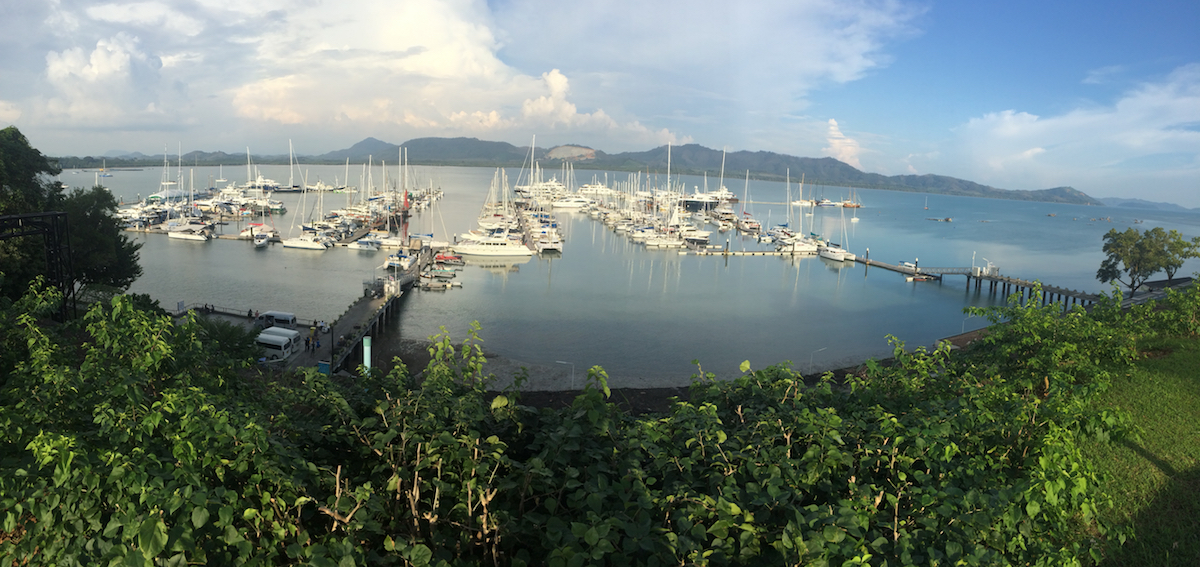
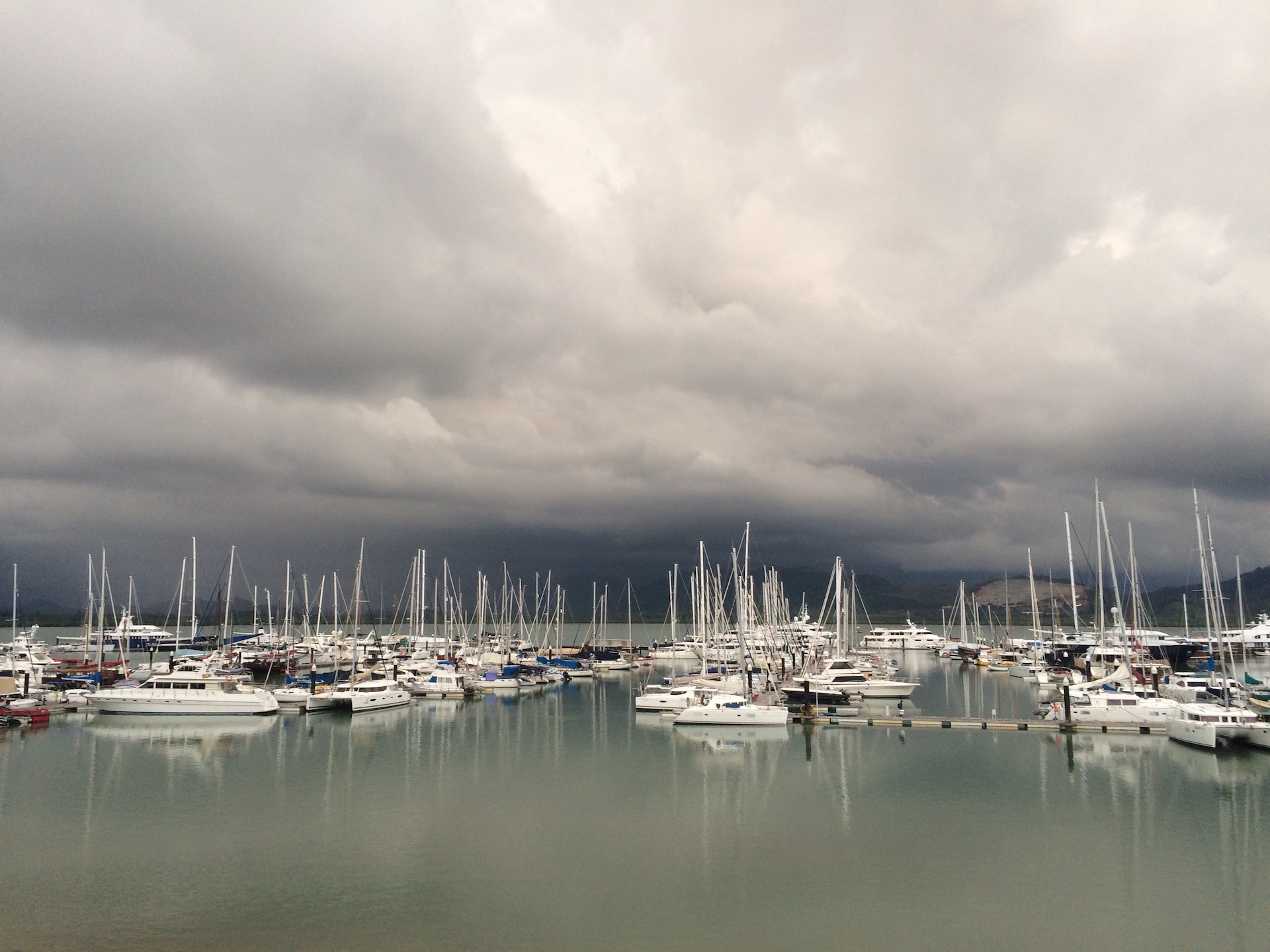
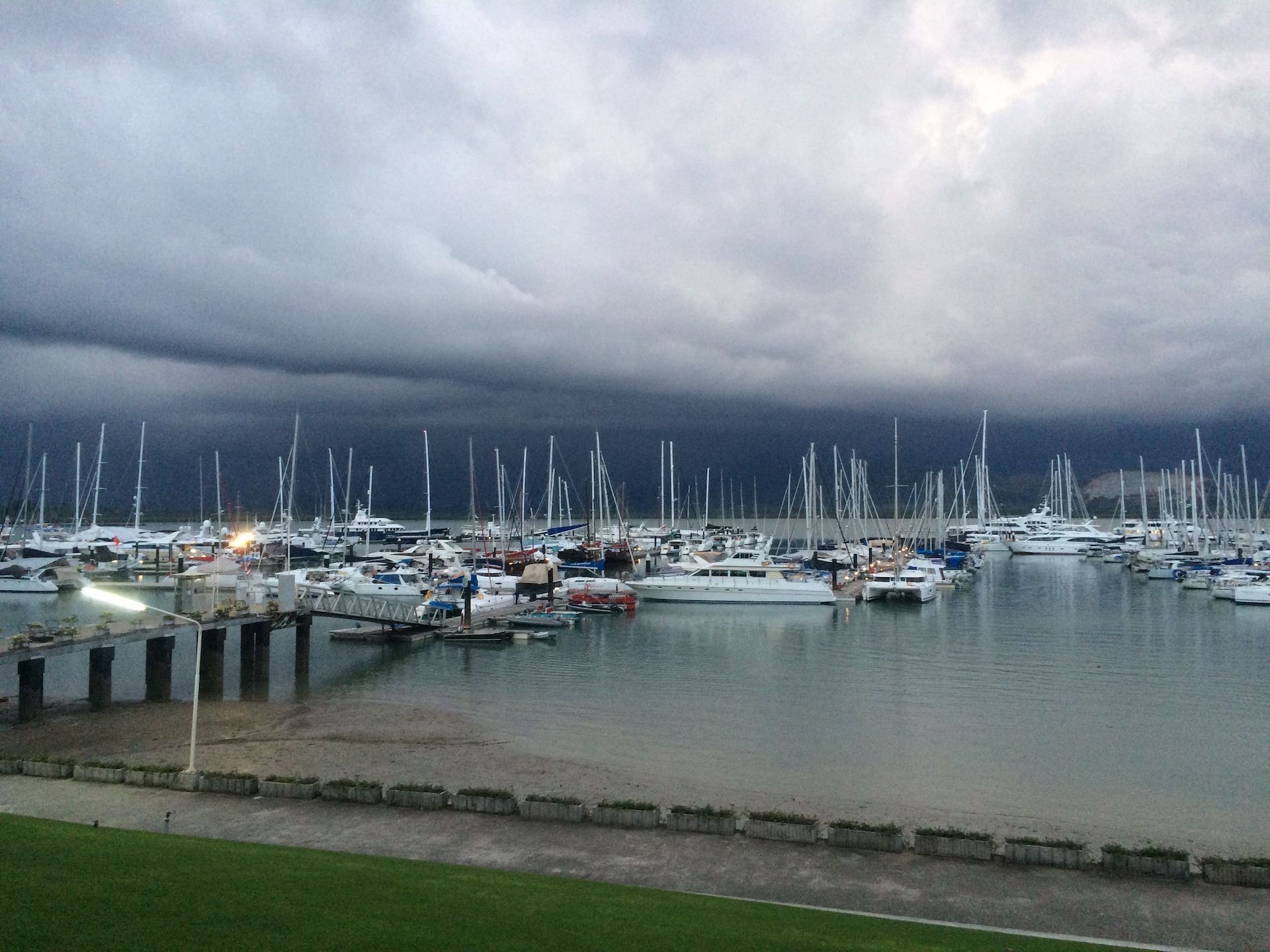
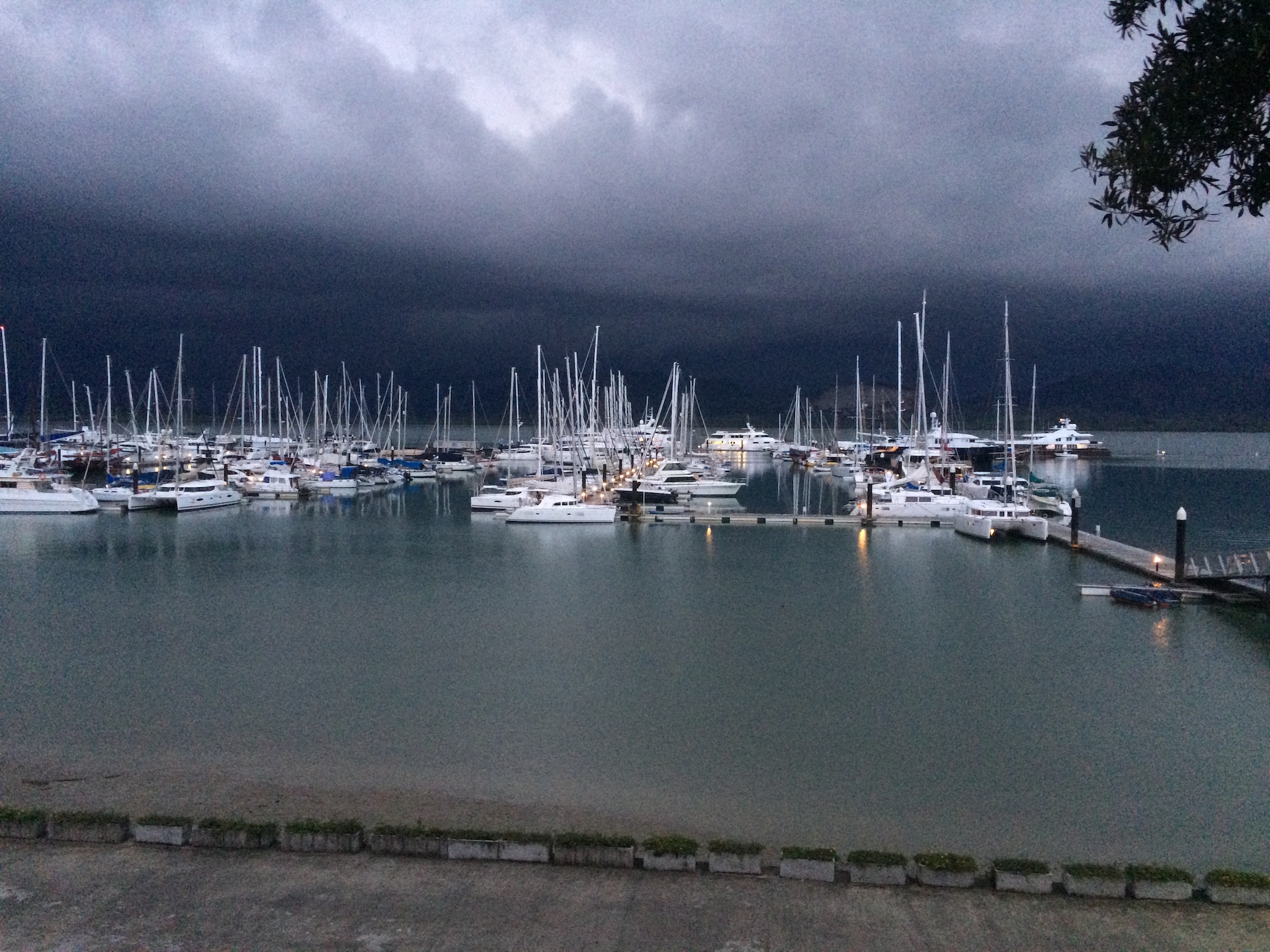
The weather is still trying to make up its mind, as you can see below there are still some spectacular squalls passing through, but I think this week might see an end to it all.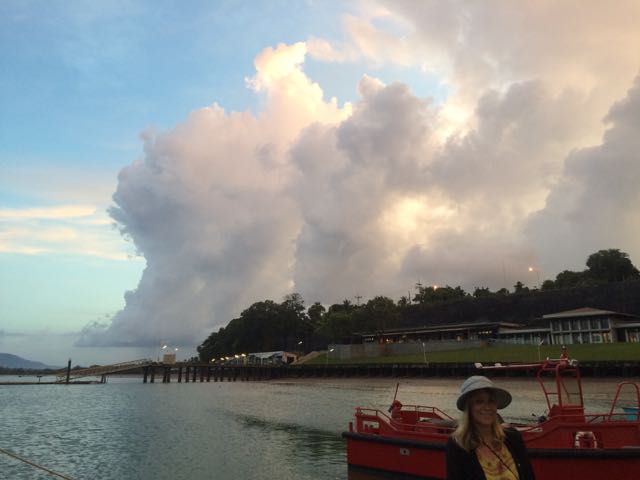
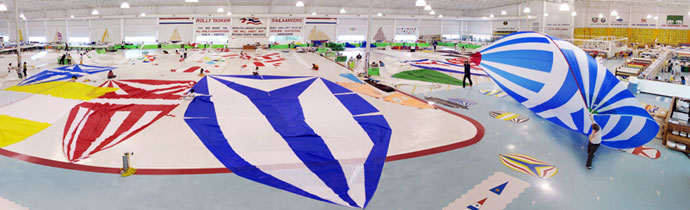
The main job this week was to get the visas extended, however the new sails were finished on Tuesday, so I combined a trip to the immigration office in Phuket town with a trip to Rolly Tasker’s sail loft.
First the immigration office was very busy, and after a bit of flapping with photocopies, passport type pictures and initial paper checking we were ready to get a ticket and join the queue, just then the power failed and we were told to come back in the afternoon and join an even bigger queue. So off we popped to the sail loft.
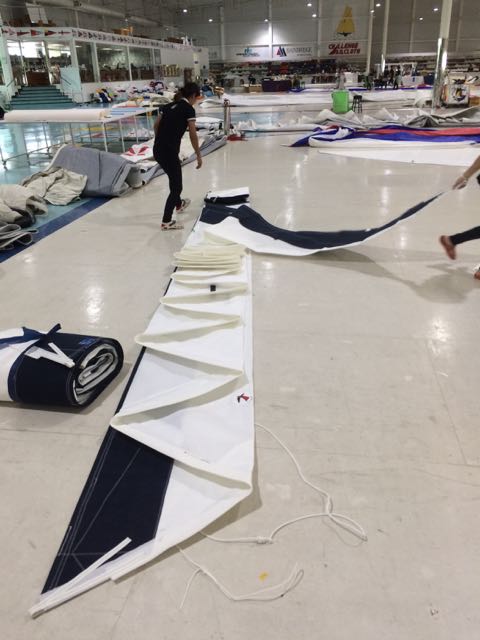
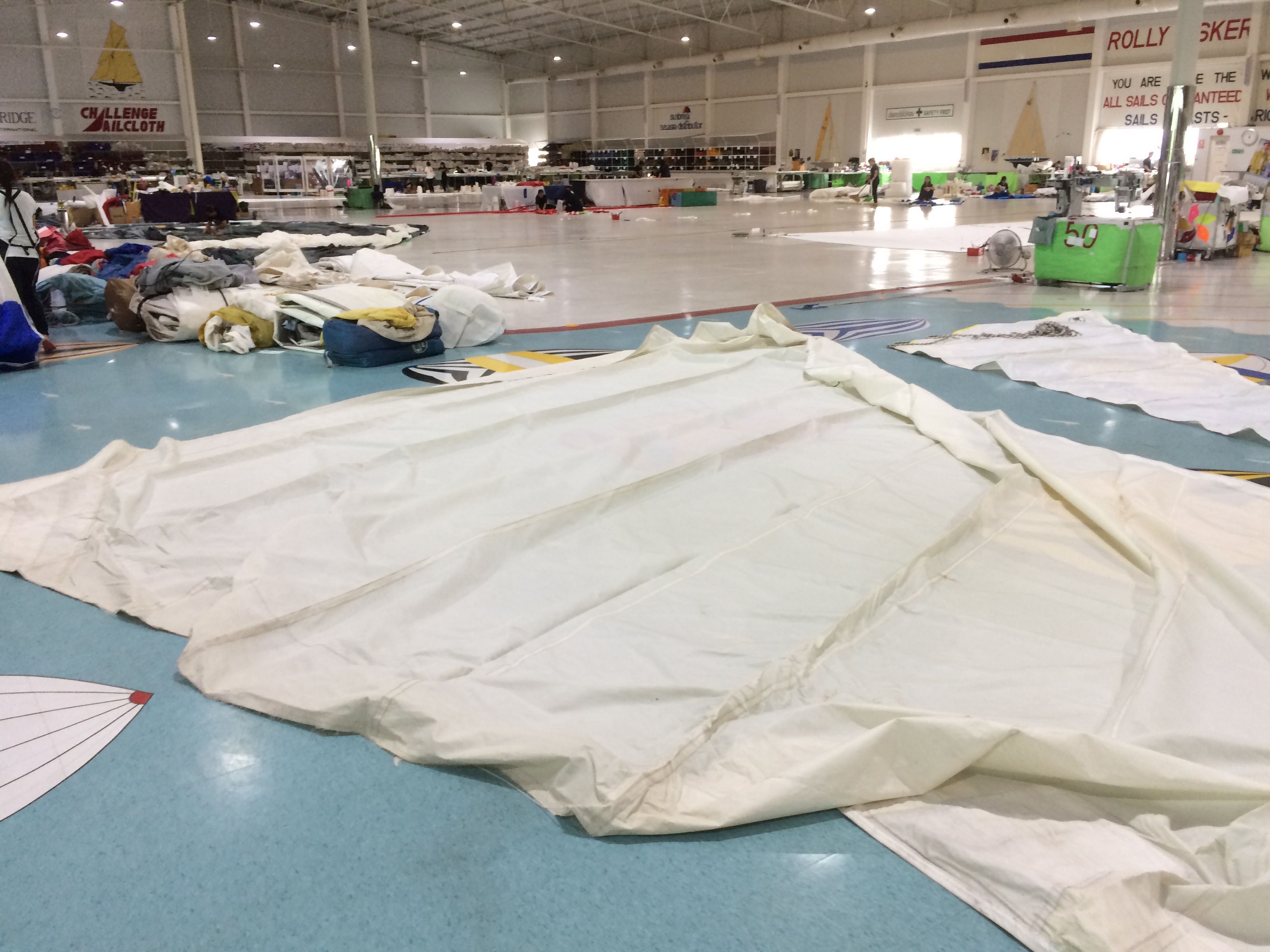
The sails looked great, I particularly enjoyed seeing them folded up perfectly. Something you can never really do on a boat cruising, as there’s never that much space, either on the boat or dockside.
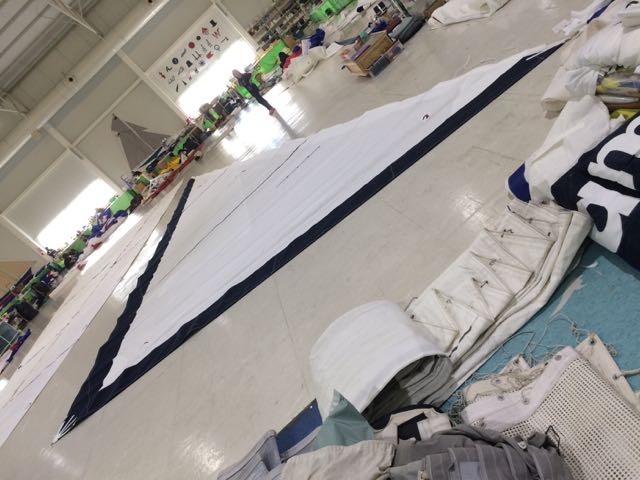
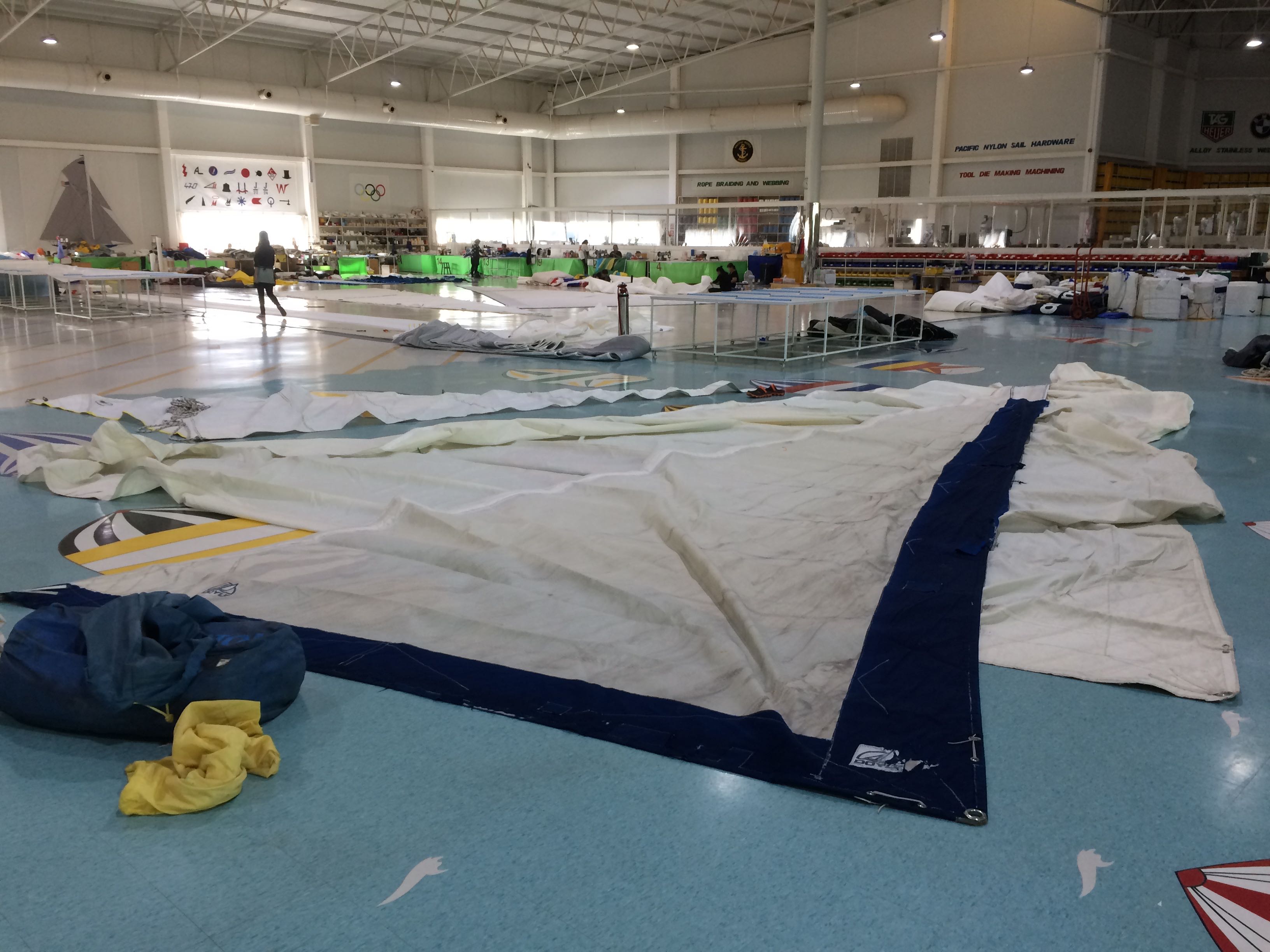
This is the Yankee pictured above, clew on the bottom left. It’s massive. I have no idea where the term Yankee originated, but it’s quite an old term, as this type of setup I have with the front headsail flying from the tip of the bowsprit is a very traditional arrangement, not usually seen on modern boats.
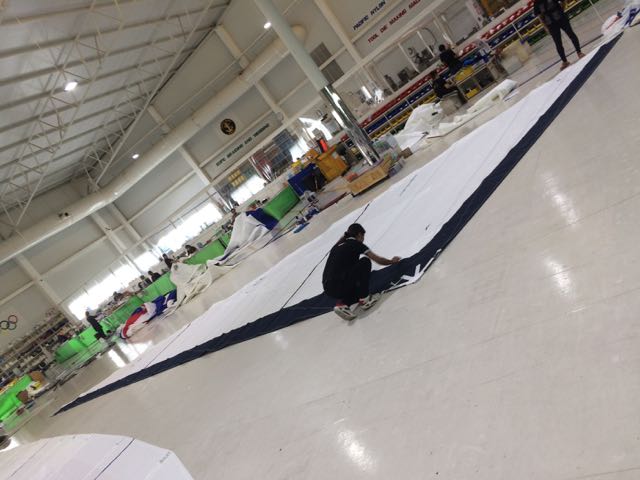
This headsail has an adjustable leech line and foot line, I have no idea why it has a foot line, perhaps it will become obvious when I start sailing with it. The Leech line goes up to the head and back down the through the luff, as you cant reach the clew from the deck, it flies so high.
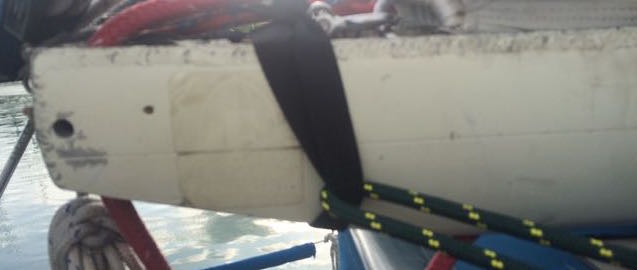
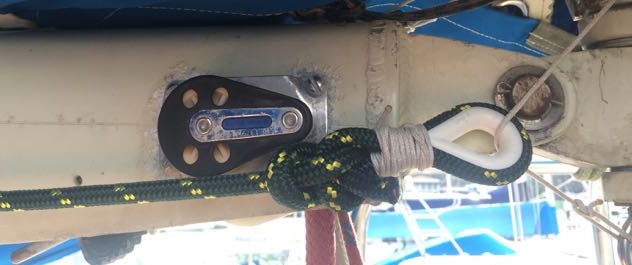
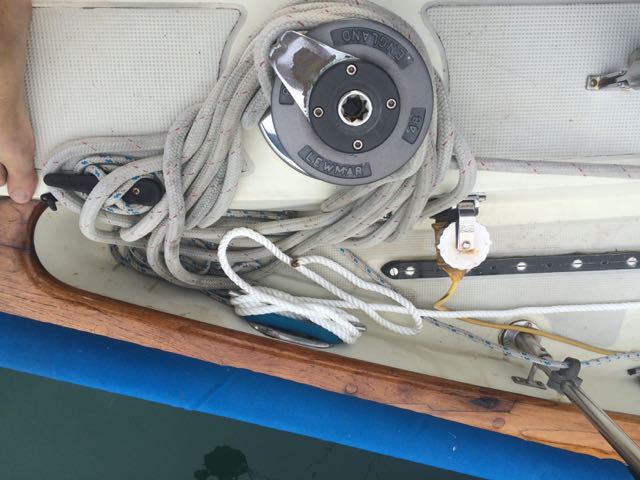
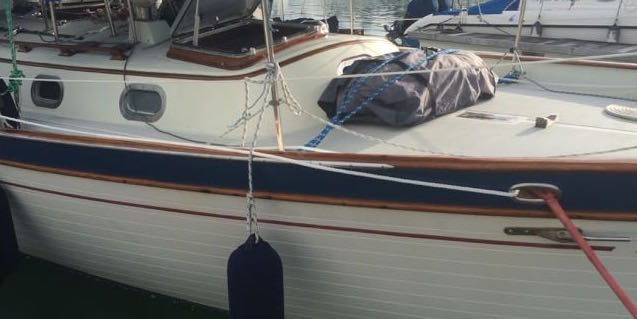
After the sailmakers we headed over to AME at the boat lagoon to get bits and pieces. I have read enough from the anchoring book to feel confident that I have to have a nylon snubber in my anchor setup, and that it can’t run from the anchor platform roller, in a F8 the twisting forces on the bowsprit are massive, also without a snubber, the chain has no slack once you get to 35 ish knots of sustained wind, so the shock loads on the anchor and deck gear are excessive. I have decided to rig up a snubber that runs from the lower bobstay fitting at the waterline, for 5 meters to the chain. I have sketched the theory below.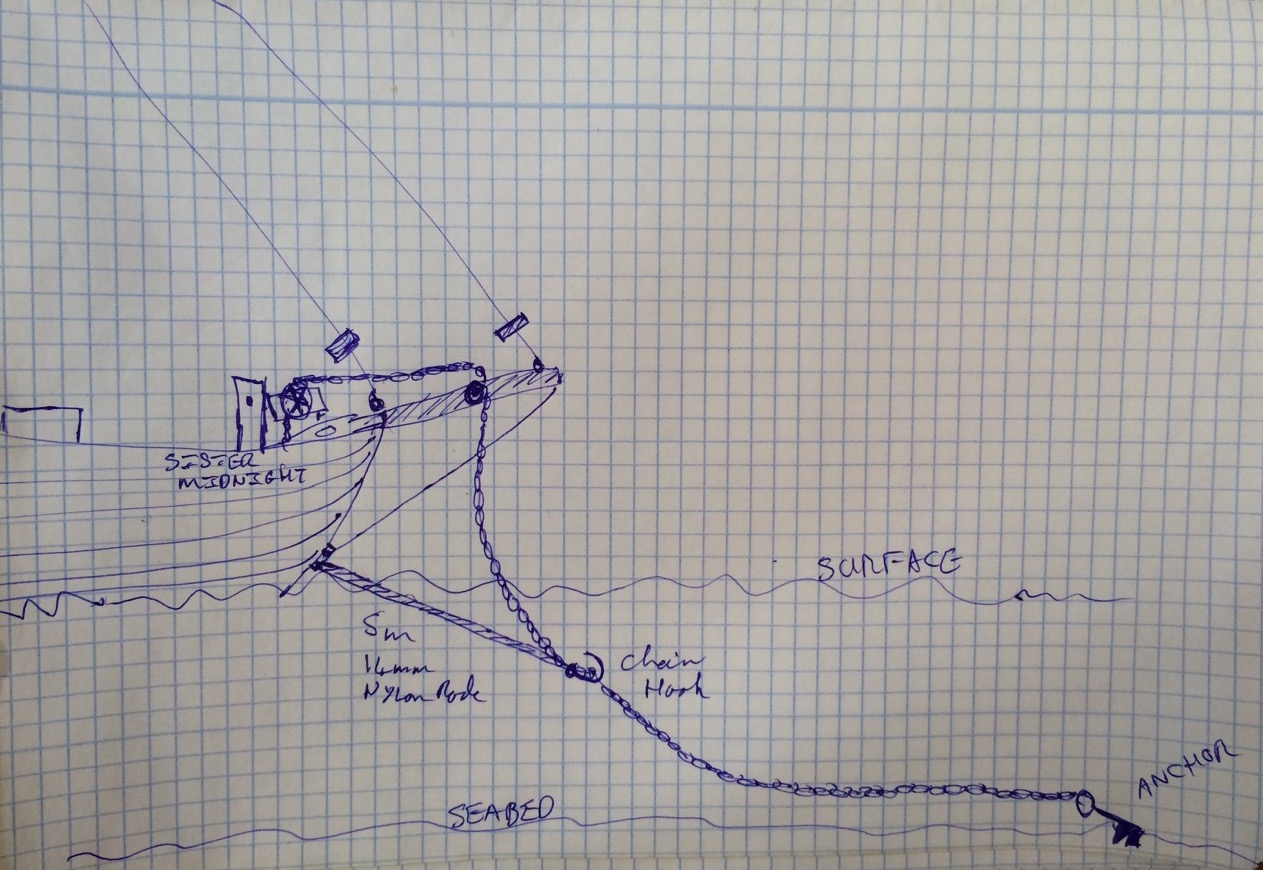
The snubber line cost me some £40 in bits, I bought a proper chain grip like this one, which is designed to hold the chain properly.
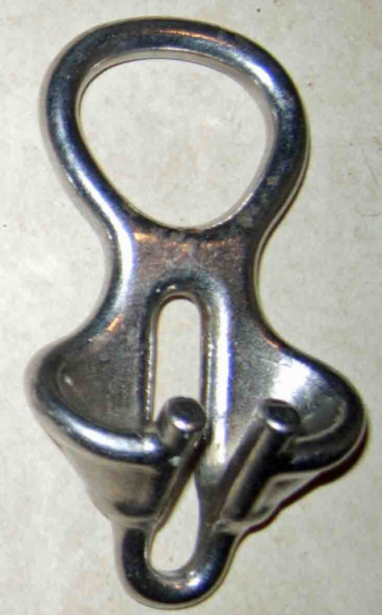
This design looks the part, 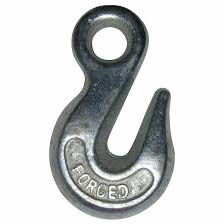 but after reading my anchoring book, I found out this puts a lot of stress on the link it pulls on, and when calculating loads in the overall anchoring system, from, holding power, to breaking loads on chains, it really is a case of knowing ‘your weakest link’. Sorry about that 🙁
From the chandlers, back to immigration, and we were relieved to see the traffic lights working again on the way, hopefully meaning the power was back. Not so relieved to see scores of people queuing outside the office, but it seems that was for something else. We got in the extension queue and only had about 8 people ahead of us, so after an hour or so and we were done. The man ahead of Kathy had overstayed by two days, and received a heavy fine, as he got the passport back, the immigration officer told him that next time he saw him, he might give him a ten year visa, when the man looked at him a bit confused, the officer said quietly, “for your prison stay” and then waved him away.
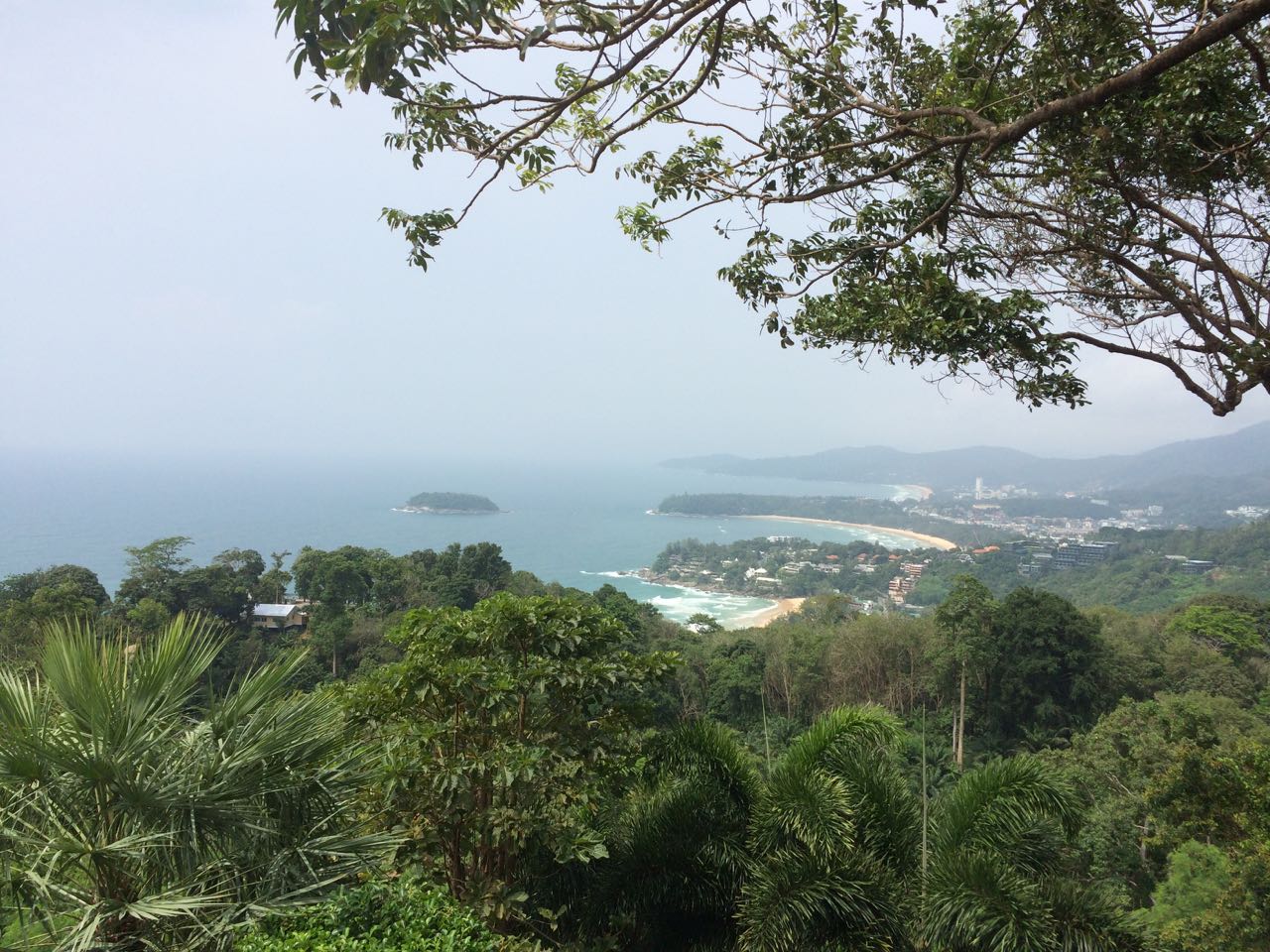
From there we headed out to a beach overlooking Chalong bay for a drink and rest.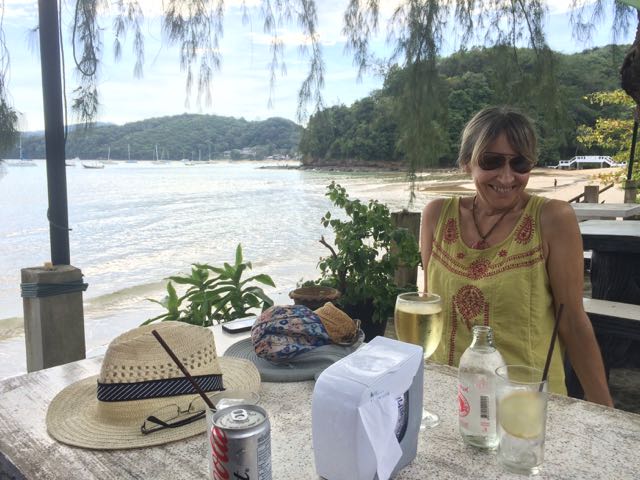
Then onto the west coast via a cross country route we hadn’t used before. I had a lovely swim at Kata beach as Kathy watched the sunset;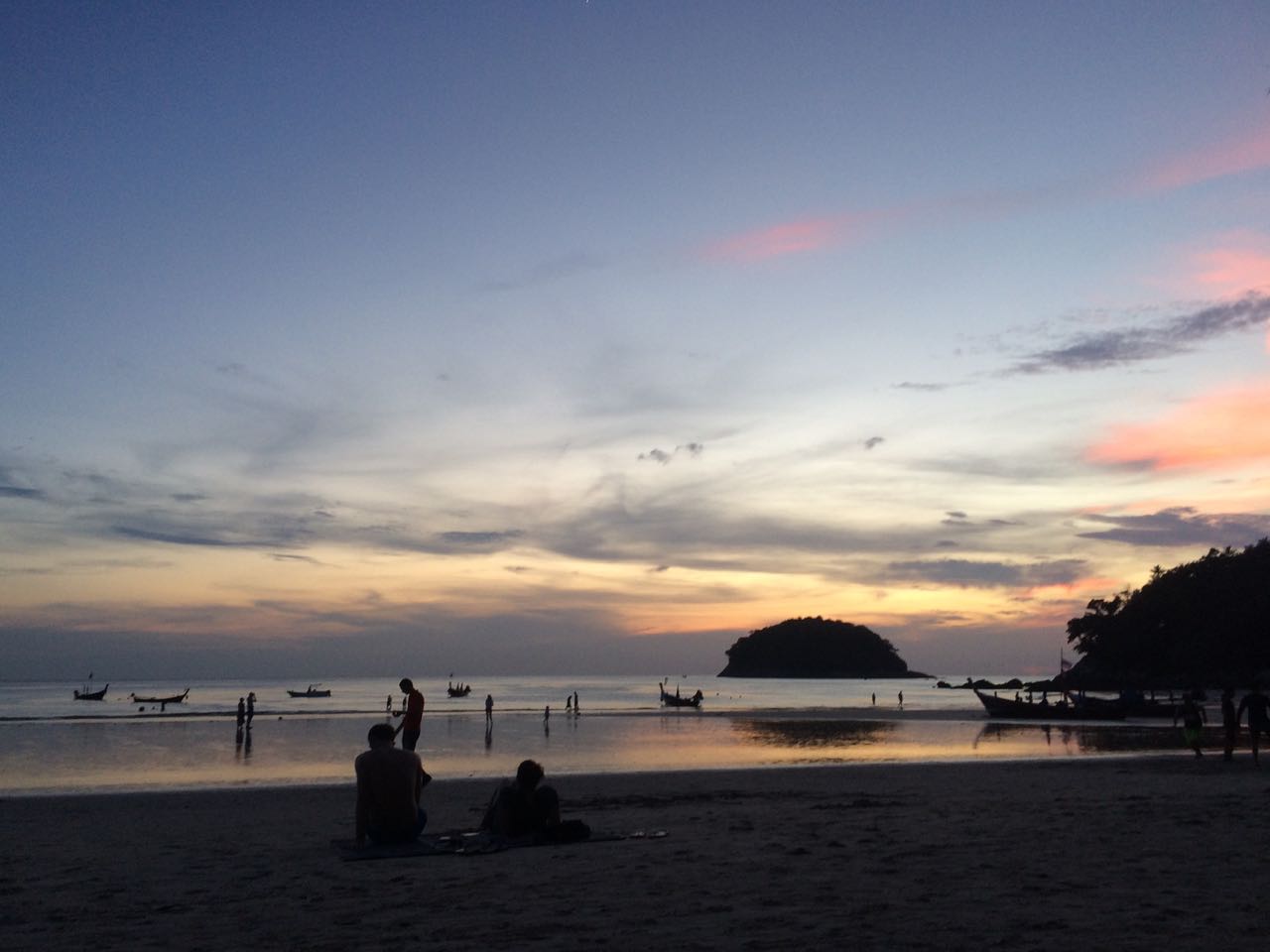
We then popped into Patong town for some shopping and then home.
On Monday we set sail for ten days, before coming home. Im thinking we will head up towards Myanmar, and look at the NW coast of Thailand, we can do Phang Na bay on the way south in January. I have agreed to get the bowsprit replaced in January as well, so it’s going to be busy then.
Paul C.

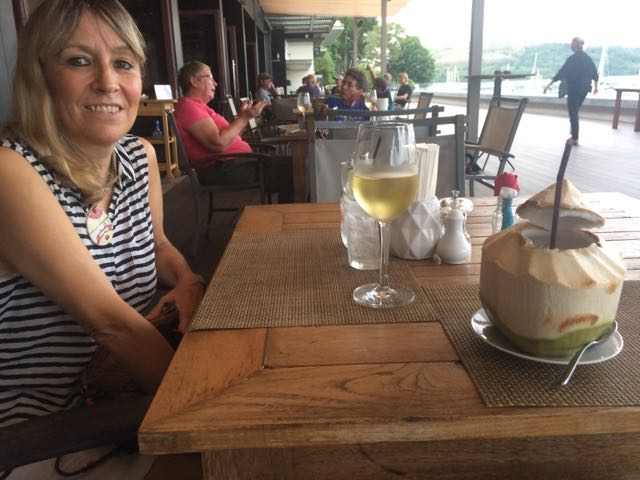

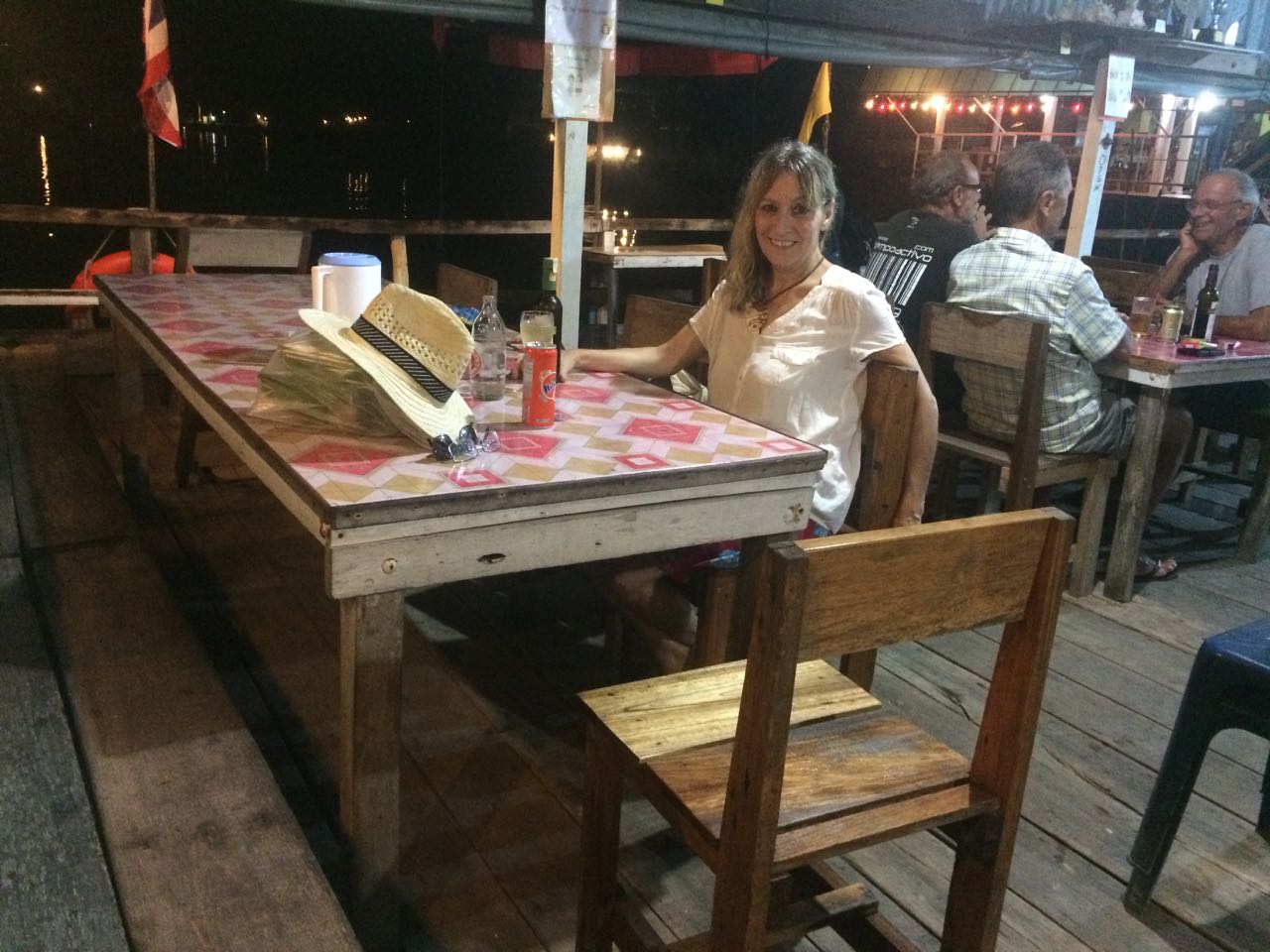
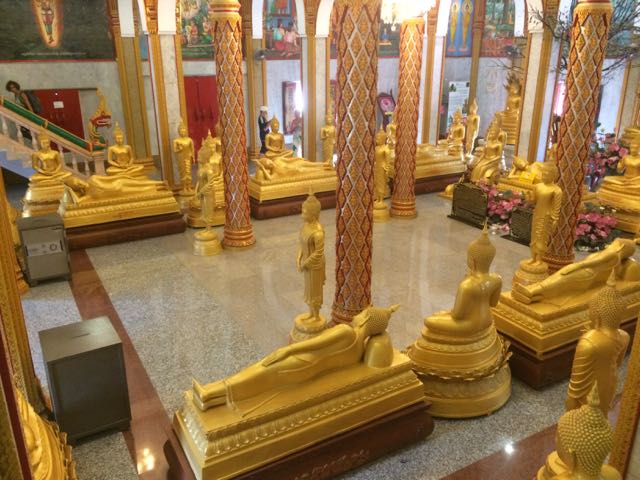
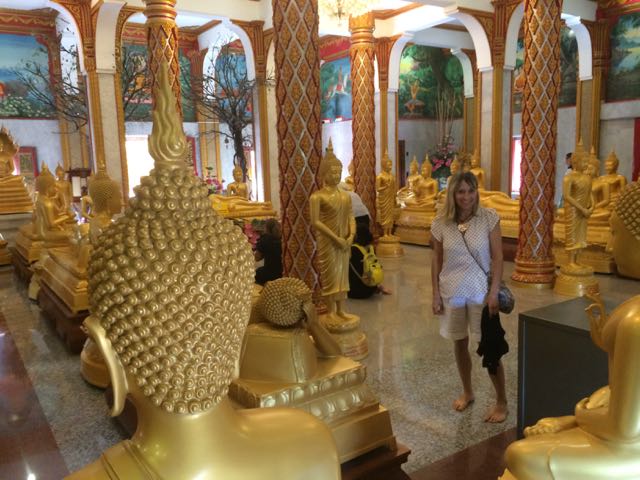
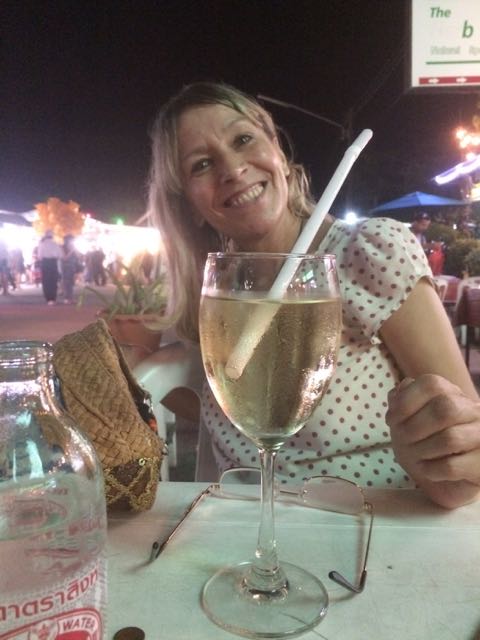

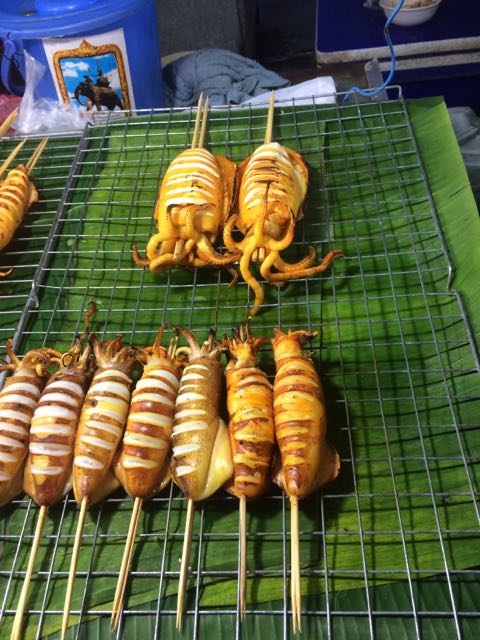
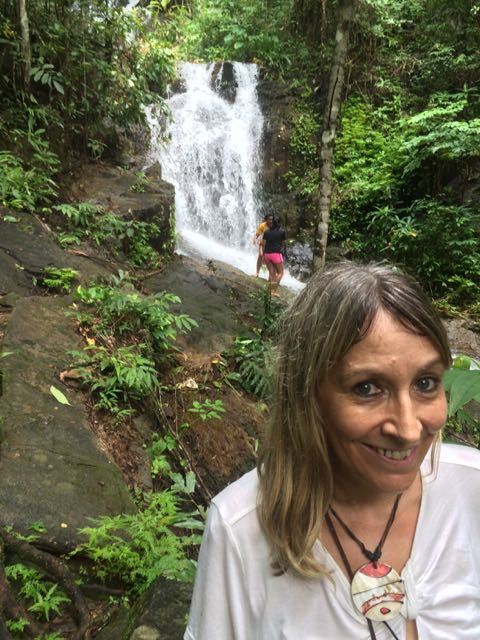
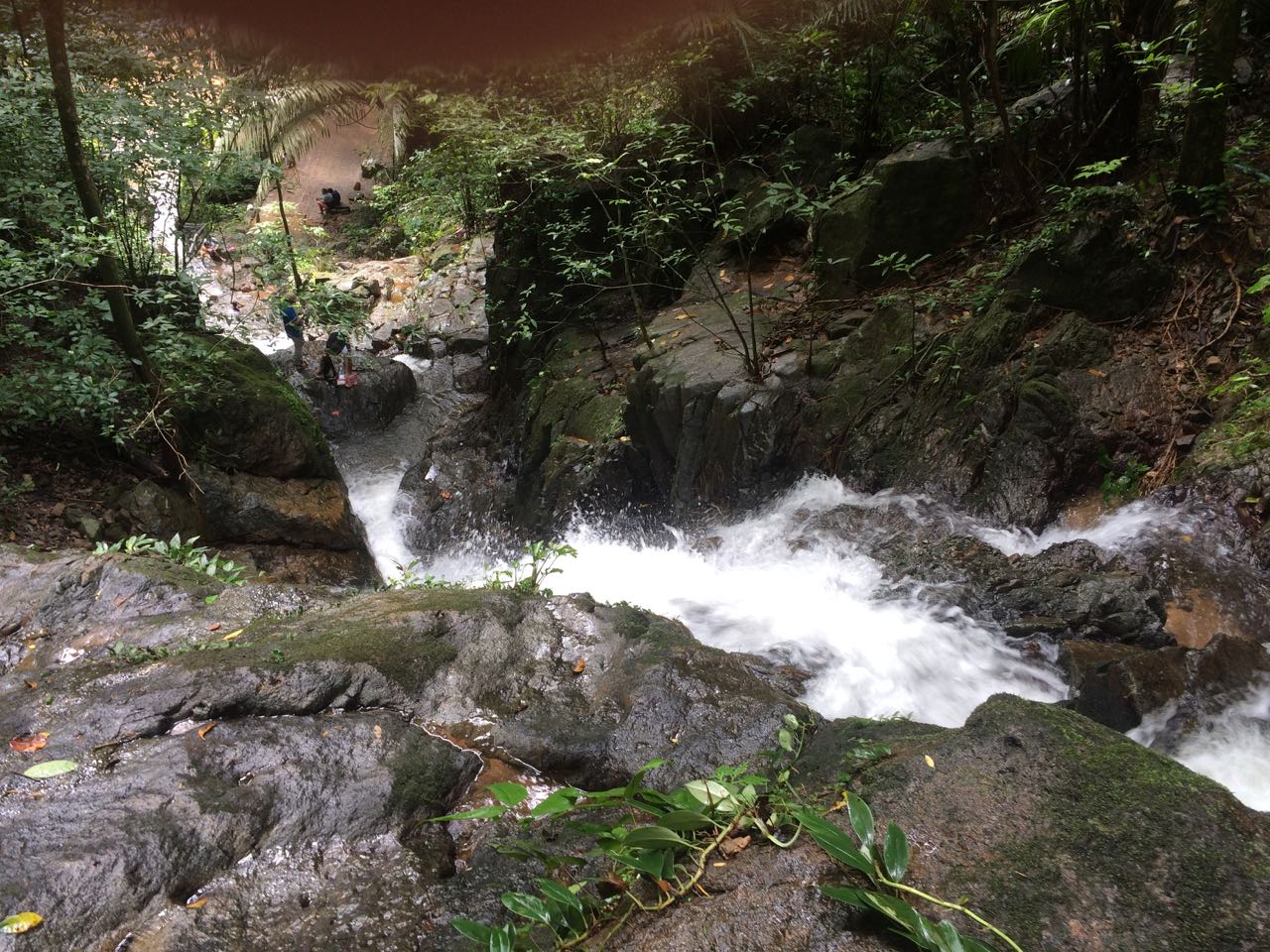
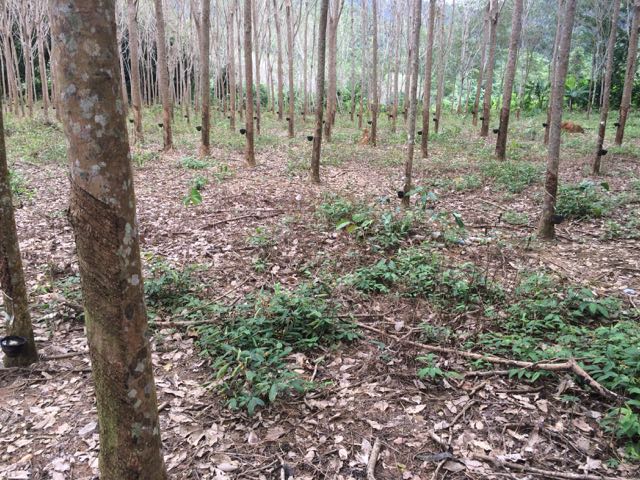
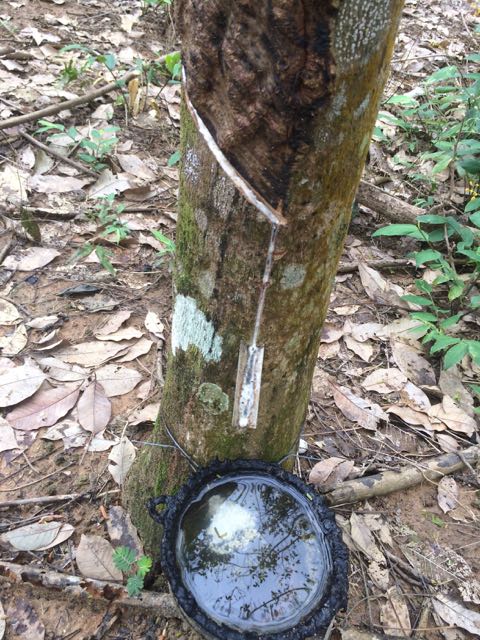
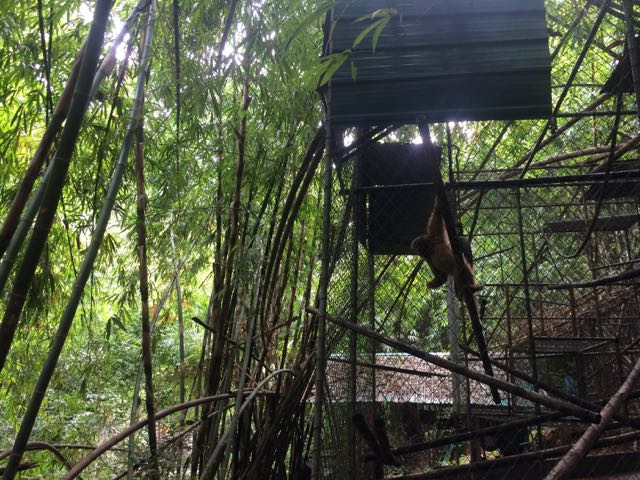
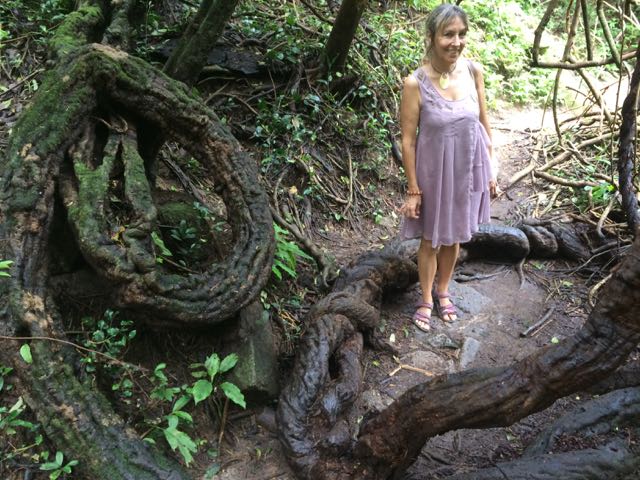
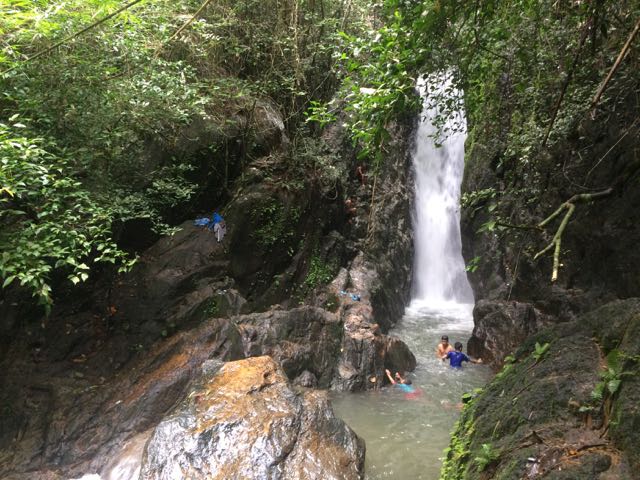
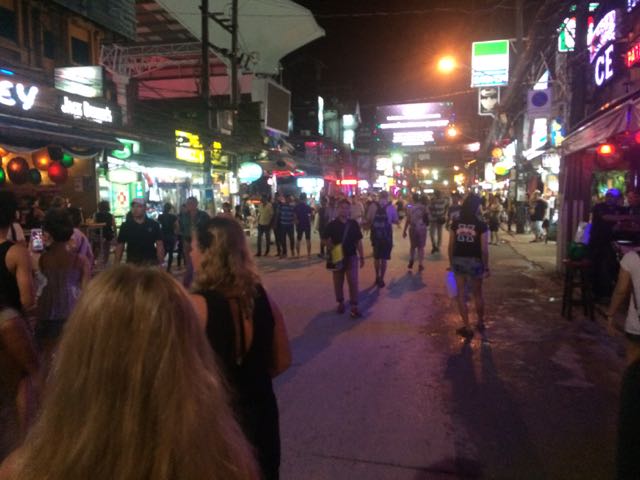
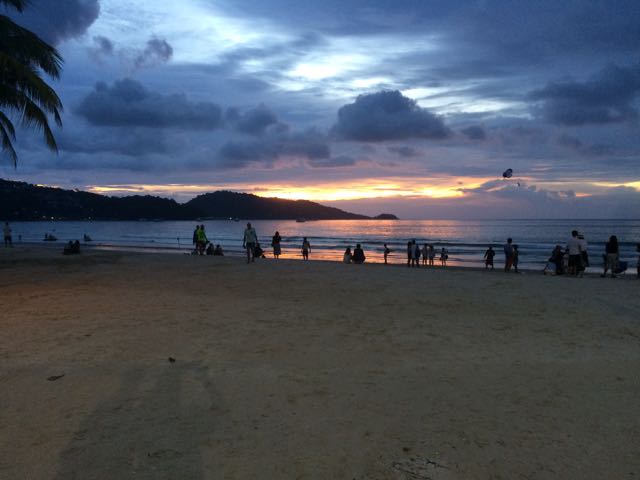 We drove down the coast heading for the fleshpots of Patong, curious to see how bad these places are when the sun sets, and also to stock up at the big C supermarket here. We had a nice Indian/Thai dinner at a beach restaurant, followed by a walk along the beach in the dark. Then back to the car via Bangla Street. I had heard this street was an evil place to visit, but I found it most pleasant. Everybody seemed to be into sport, for just a few baht we could watch a game of table tennis, or ping pong as they seem to call it. Also lots of young ladies were keen for us to have a drink with them, for just 80 Bhat, most reasonable. I did notice a glaring mistake at the end of the street, where the sign for the Hard Rock Cafe seemed to got the words all mixed up, I expect they must feel a bit silly about that.
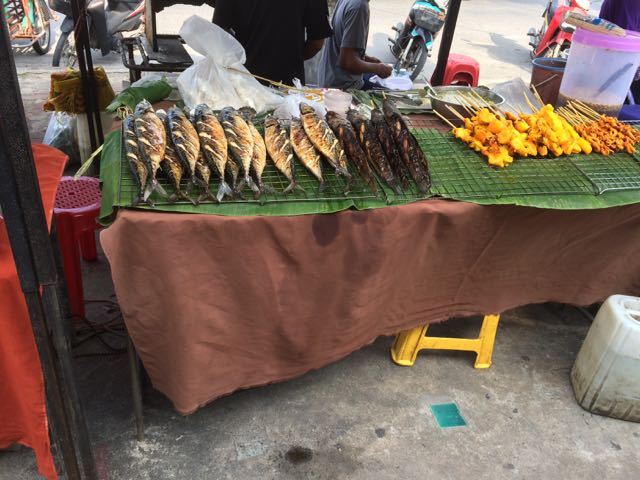
 Back home to the boat and on Sunday we headed on down to Phuket old town for the street market. Unfortunately I got the times wrong, so we arrived as it was setting up, still it was very pleasant walking around the streets, the place reminded me of Penang in architecture, and it turns out it was founded as a tin mining town in the 19th Century, and the wealthy merchants from Penang setup here to take advantage of this trade, and they brought their ways with them. It seems Penang was almost as easy to work with back then as Bangkok was, but then the borders between Malaysia and Thailand have been quite flexible. One taxi driver I had in Langkawi was Thai, I asked how long he had been there, he said ‘600 years, and don’t get me started’ so I didn’t.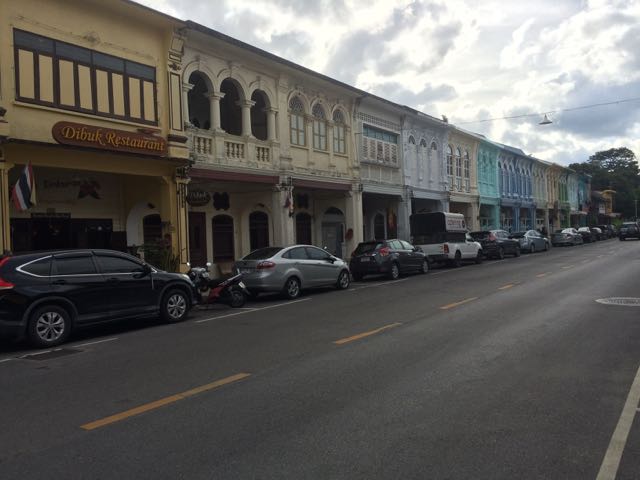
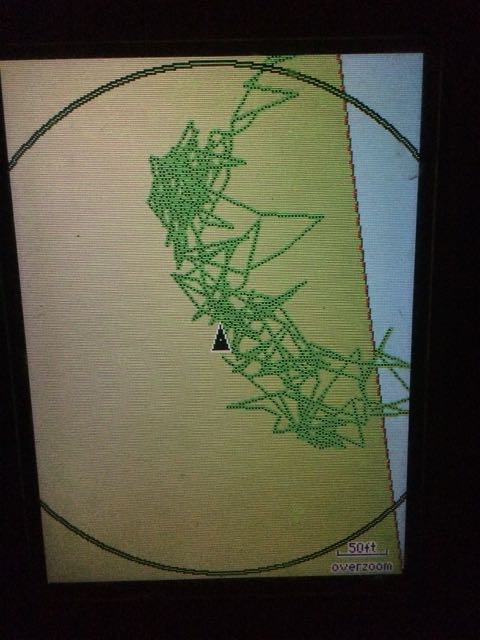
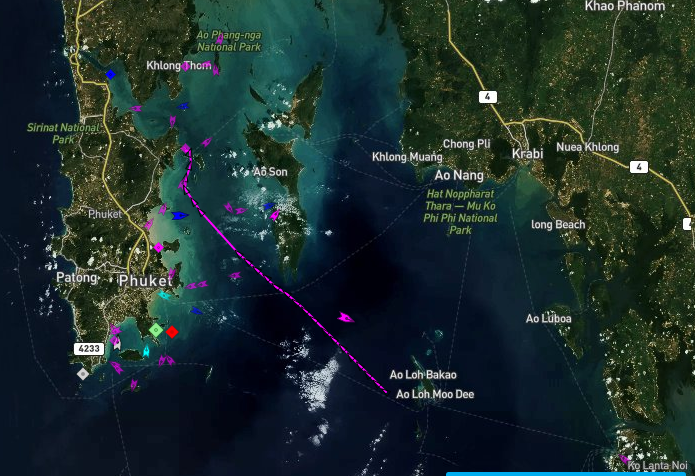
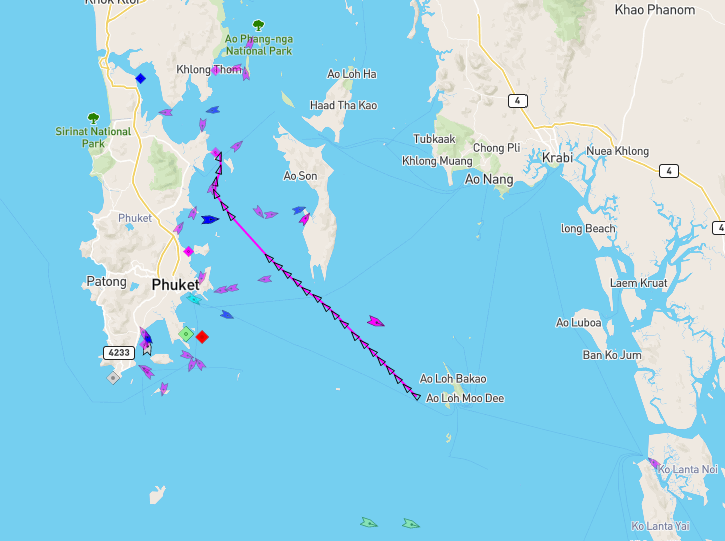 Thanks to Marine traffic for the track, the points were generated by my iPhone sending AIS updates in, you can see the bit where the battery went flat 🙁 I did have the track on the Navionics app, but that keeps crashing and losing the track. Considering this is my main chart plotter, that’s a little concerning. However it’s not that accurate anyway, paper charts are rubbish here so I use google earth overlays in OpenCPN, along with Navionics and the chart in the cockpit plotter, which came with the boat. It’s important to keep a good lookout anyway.
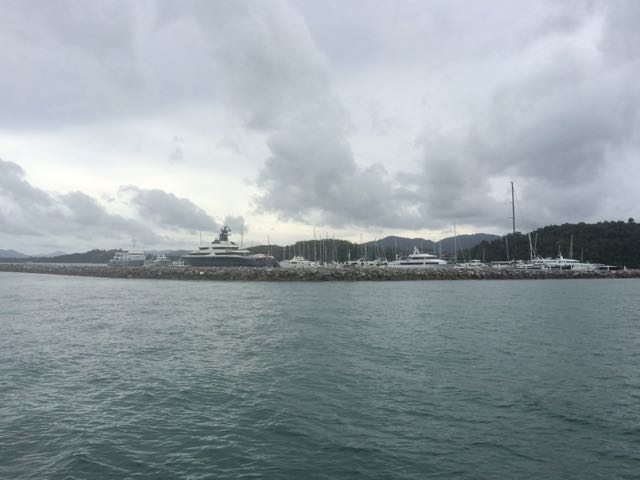
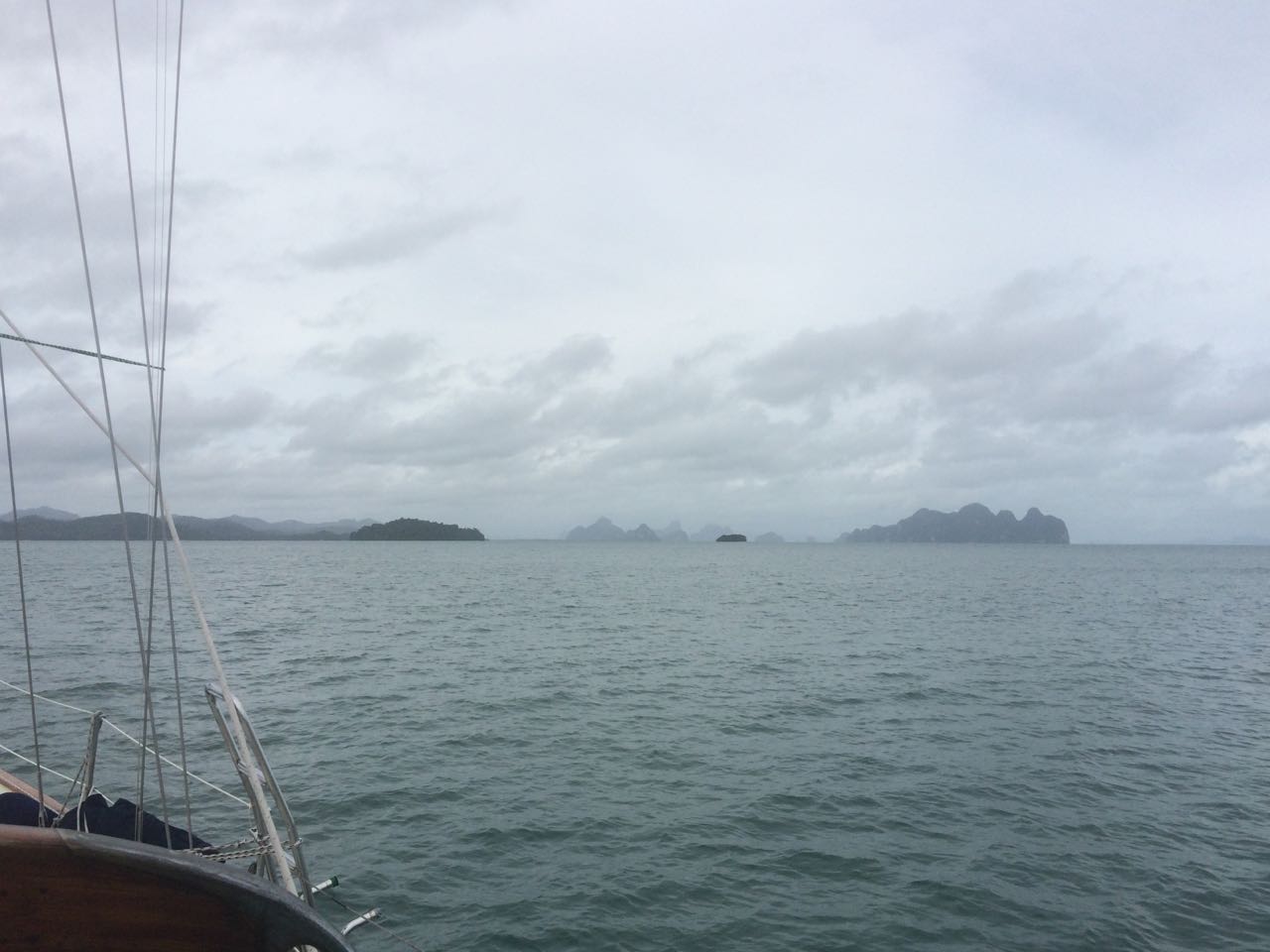
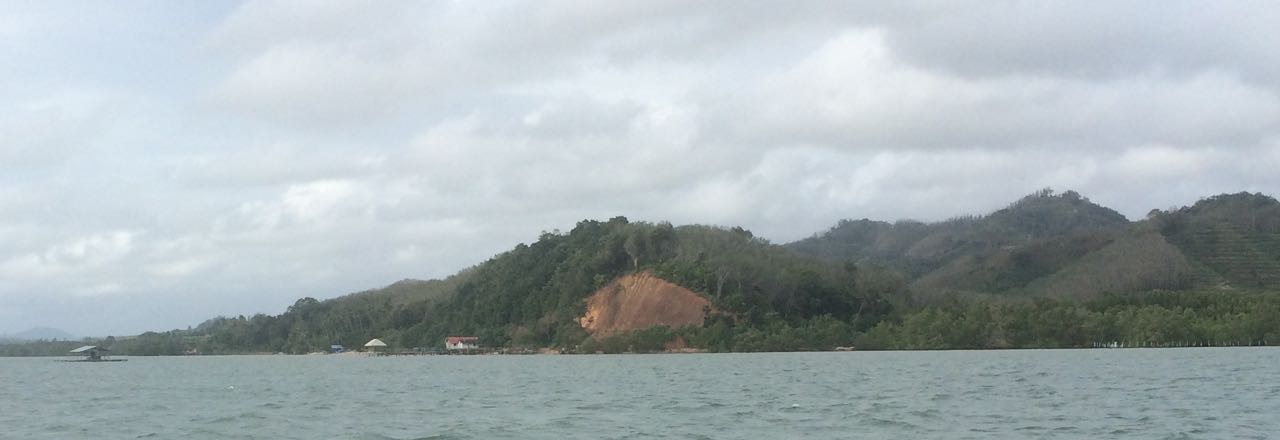
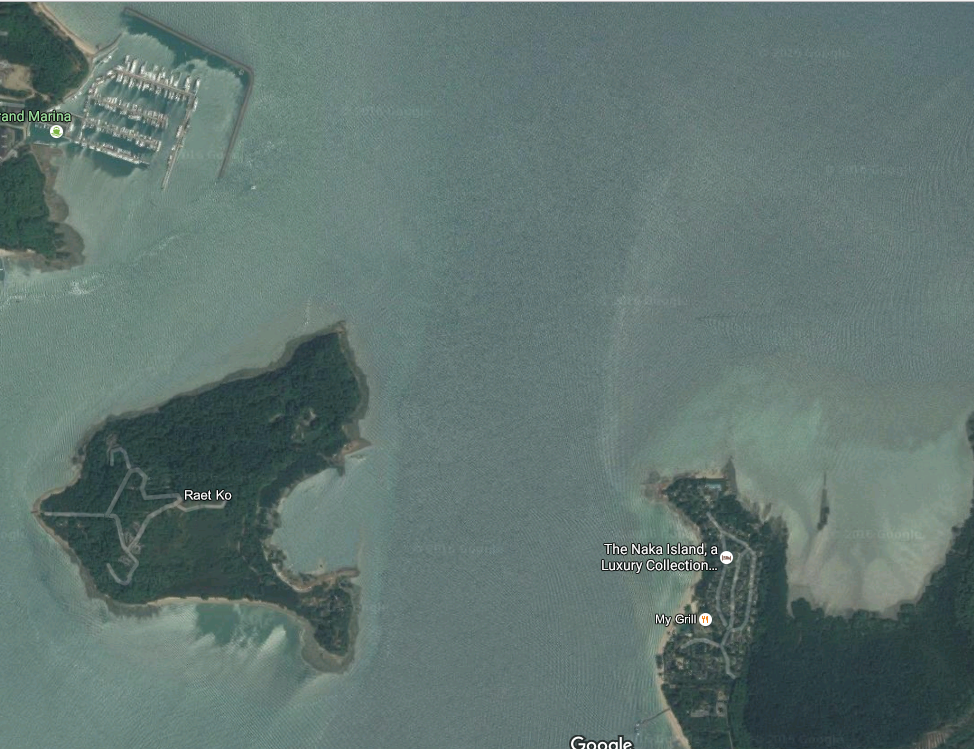 The gap isn’t big here, also a good chunk of the coast on the left island has a large construction, like a fish farm, or possible foundations for a new marina. Anyway a massive squall popped over the coast on our left, there was no warning and it was one of the worst I have seen, 0 – 35 knts in seconds, I had no time to reduce sail and I knew I was going to be overpowered with the main and the headsail out and the wind from behind I worried I would be driven into one of the two islands, a few seconds later I was drenched, and visibility dropped. I tried to run with the wind, but it was too much so I was able to spill some wind by steering up to the fish farm, letting the main flap a lot and that slowed me down enough to steer safely, then dropping back into the squall for a minute and then heading up again. I quite enjoyed it actually, it’s much more fun than back home, where if this sort of wind starts in the Irish sea, it could be like that and get worse for hours,maybe days, plus it’s usually bloody cold there. Here I knew this would be over in minutes so just had to make the most of it. Sure enough the whole show only lasted 5 minutes, before the wind dropped a lot, but the rain increased and I lost all visibility. This is where the binnacle compass comes into it’s own. I just steered 20 deg knowing that would get me clear of land. A few minutes later and it’s very calm. so we put the fenders out, brought a mooring line I had just setup back on board, started the engine, dropped the sails and into the marina.